
Netflix stock recently dropped around 10% in a single trading session, drawing attention from investors and analysts worldwide. A move of this size in a company as large as Netflix signals that the market is reacting strongly to new information, expectations, or shifting sentiment.
The decline followed the company’s latest earnings update and forward guidance. While Netflix continues to generate strong revenue and maintain profitability, investors appeared concerned about slowing growth rates and future expansion prospects. In high-growth technology and media stocks, expectations often matter as much as actual results. When growth shows signs of moderating, even solid performance can trigger a selloff.
One key factor behind the drop is the perception that subscriber growth is stabilizing rather than accelerating. Netflix has already penetrated many global markets, and while it continues to add subscribers, the pace is no longer at the explosive levels seen in earlier years. For a company priced for long-term growth, any hint of slowing momentum can pressure the share price.
Another issue influencing sentiment is valuation. Netflix has traded at premium multiples compared to many traditional media companies. When a stock carries a premium valuation, investors demand consistent growth and strong forward guidance. If future projections appear conservative, the market often reacts quickly.
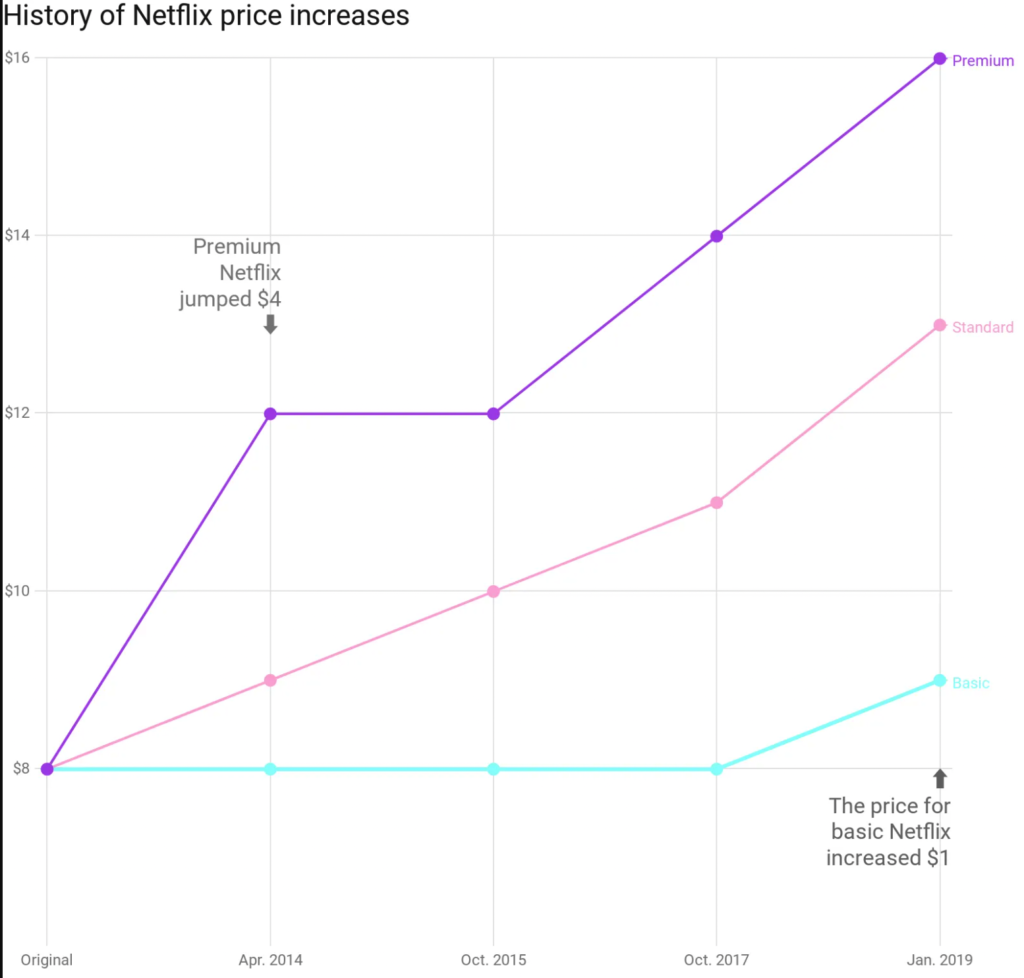
Competition in the streaming industry also remains intense. Platforms such as Disney+, Amazon Prime Video, and other global and regional services continue to invest heavily in content. Although Netflix remains a leader in the space, investors are watching closely to see whether it can maintain pricing power and user engagement while managing rising content costs.
Despite the 10 percent drop, Netflix’s core business fundamentals have not collapsed. The company continues to generate billions in annual revenue, expand its advertising-supported tier, and invest in original content. Its global brand recognition and massive subscriber base remain significant advantages.
For short-term investors, the stock may continue to experience volatility as markets react to quarterly updates, subscriber trends, and broader economic conditions. Price swings of this nature are common in growth-oriented stocks.
For long-term investors, the decline may present either a warning or an opportunity, depending on their outlook. Those who believe Netflix can continue expanding revenue streams through advertising, pricing strategies, and global growth may see the pullback as a potential entry point. Others may prefer to wait for clearer signals that growth momentum is strengthening again.
Ultimately, a 10 percent drop does not necessarily indicate structural weakness. It reflects changing expectations. The key questions for investors moving forward are whether Netflix can sustain revenue growth, manage competition effectively, and continue innovating in an evolving streaming landscape.
As with any investment decision, investors should consider their risk tolerance, time horizon, and broader portfolio strategy before reacting to short-term price movements.